Archiving Queer Fashion: Spotlighting Queer Icons Across Fashion History
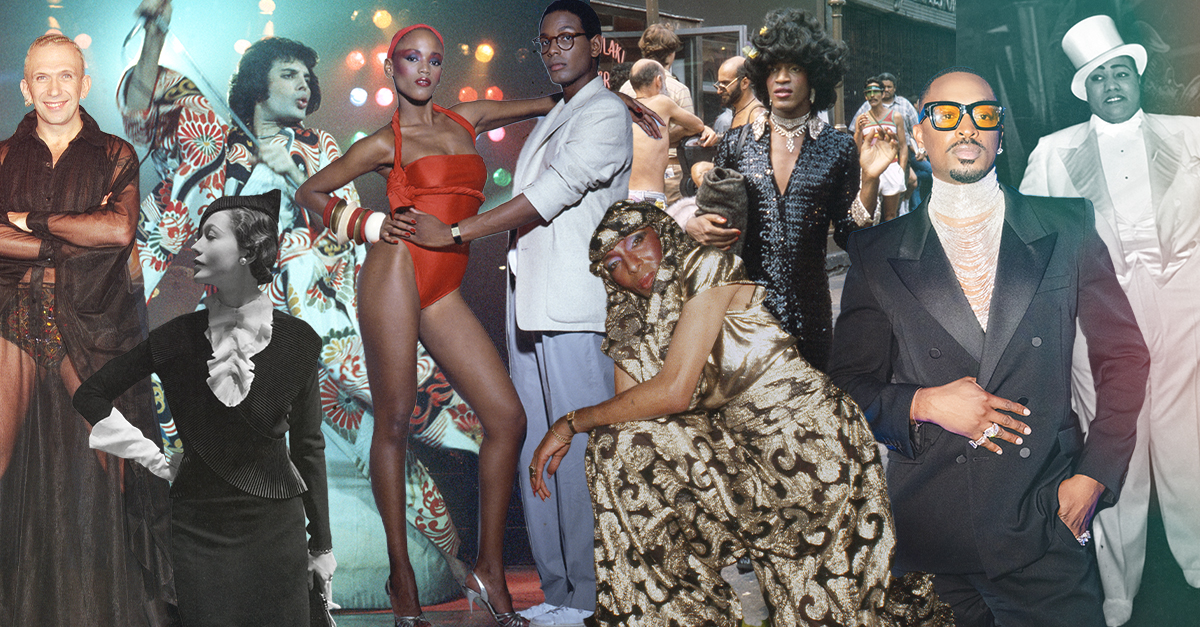
Every Pride Month serves as a reminder of all the queer icons of the past who have paved the way to allow so many of us to unapologetically celebrate who we are today. In fashion, there's no shortage of queer icons who have not only designed some of the most important fashion pieces and moments in history but also inspired those very designers. There are so many people to celebrate it would be impossible to amass a list long enough.
There are, though, a handful of queer icons who sometimes get lost in the conversation and aren't given enough credit where credit is due. Below are seven people worth learning more about who have been on countless mood boards for years, having pioneered gender-fluid dressing and unashamed attitudes before it was mainstream.
Toto Koopman
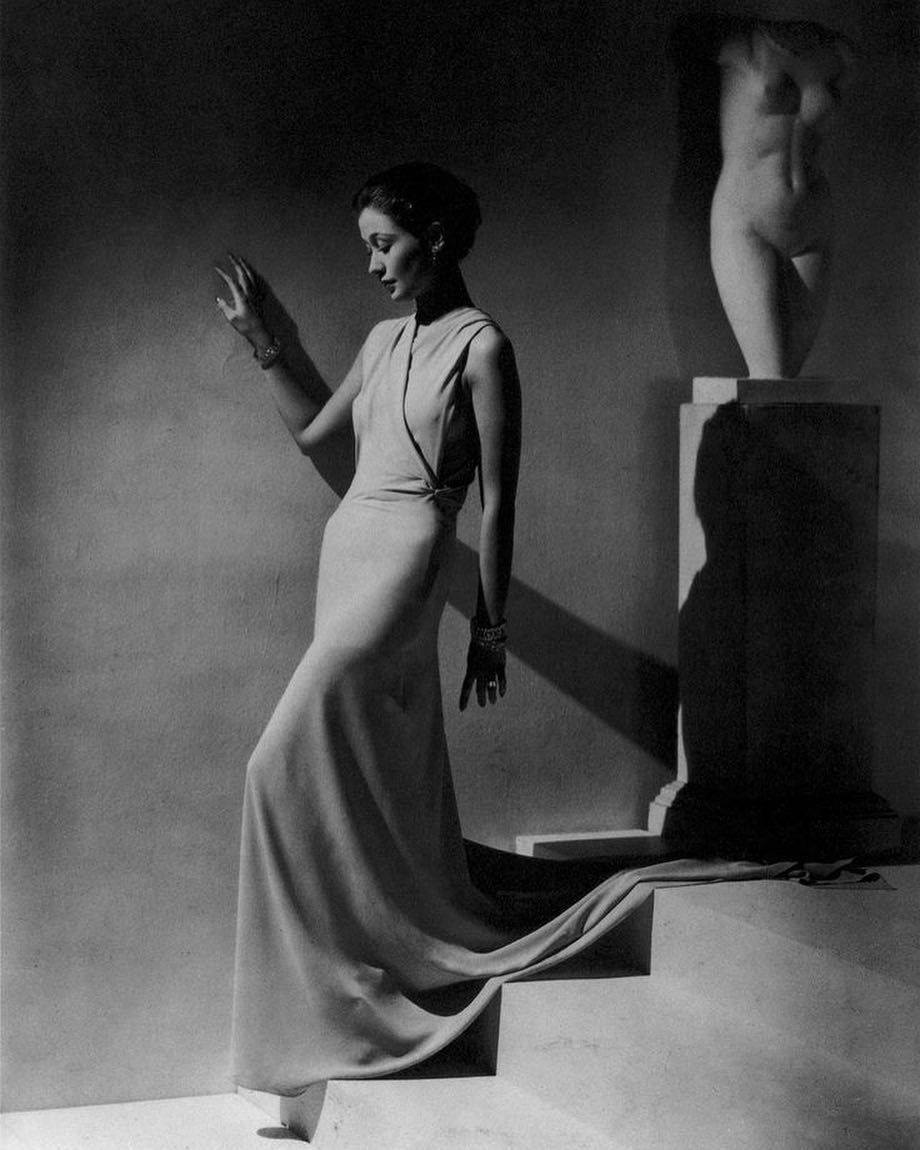
Toto Koopman was a Dutch Javanese model who also served as a spy for the Italian resistance during World War II, survived being held as a prisoner at Ravensbrück concentration camp, and later helped establish the influential Hanover Gallery in the 1950s. To say she was multifaceted would be an understatement.
Koopman was openly bisexual at a time when that was far from the norm, and she spent most of her life with her partner, art dealer Erica Brausen. Her signature poise and thin eyebrows helped her become a house model for Chanel, and she would later land the cover of Vogue in September of 1933. She was the magazine's first openly bisexual cover star.
Gladys Bentley
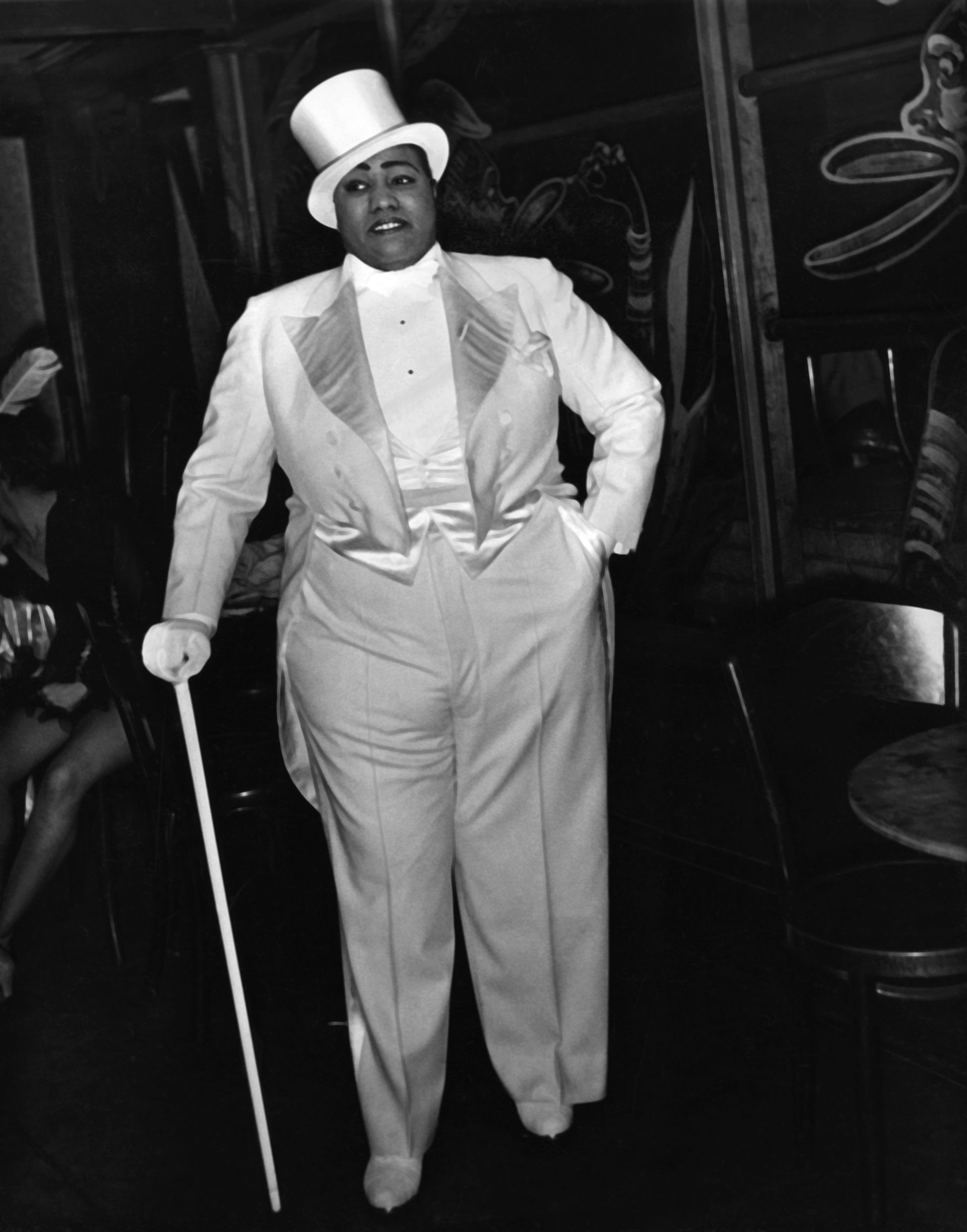
Gladys Bentley ran away from her home in Philadelphia at 16 to pursue a career in entertainment in New York City, where she quickly signed with a broadway agent. With her stage name of Bobbie Minton, the Harlem Renaissance blues singer became well-known for her performances and costumes that challenged traditional gender norms. Her signature look was a black-and-white tuxedo quite literally topped with a top hat.
Her performances unabashedly incorporated sexuality, which was considered scandalous at the time and kept her out of mainstream coverage and even history books. But Bentley worked hard to create a Black female masculinity that still influences designers to this day.
Stormé DeLarverie
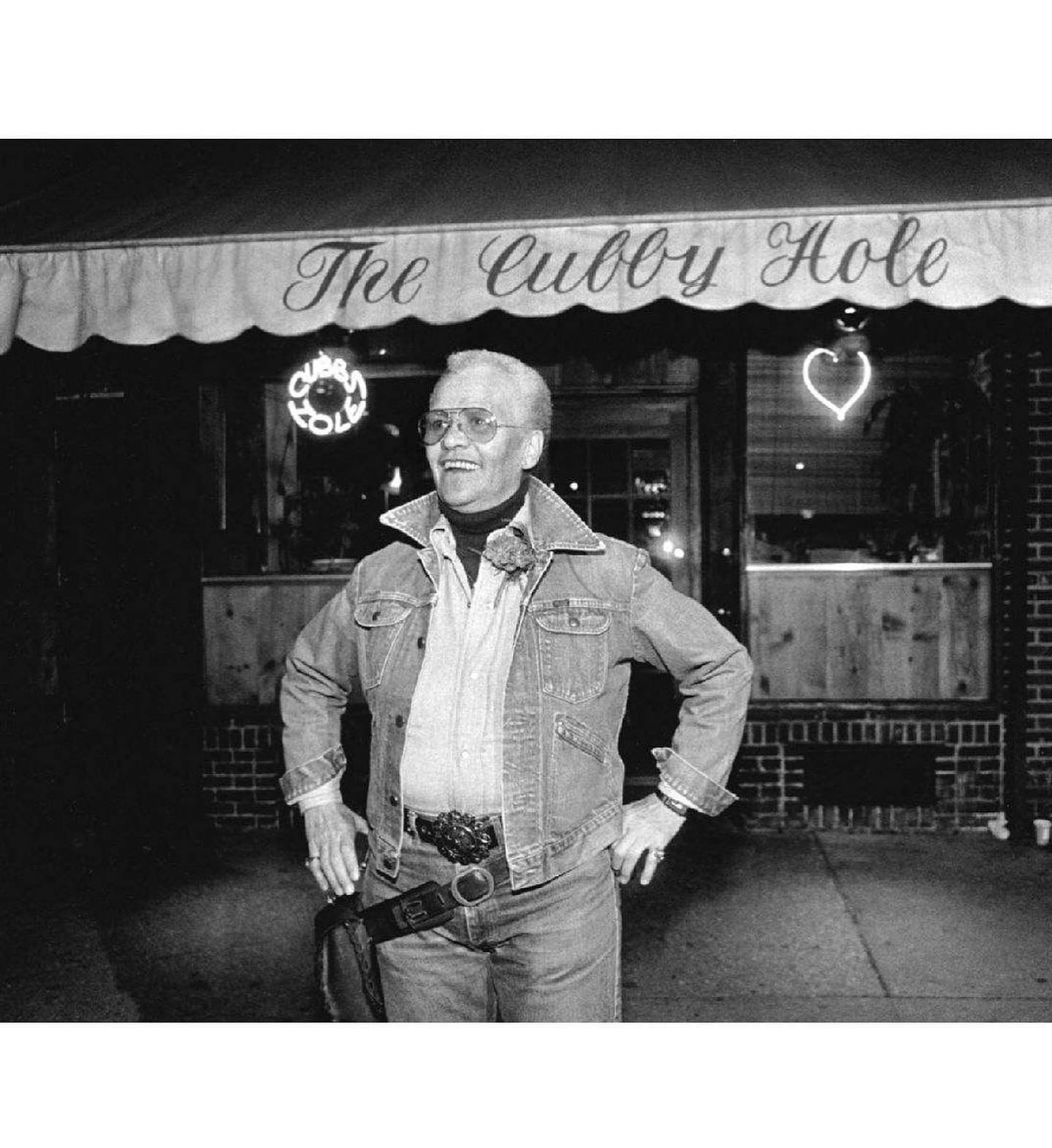
It's impossible to discuss the Stonewall uprising without mentioning Stormé DeLarverie, who may very well have thrown the first punch. DeLarverie was a lifelong gay rights activist who also performed at the Apollo Theater and Radio City Music Hall and worked as a bouncer and bodyguard in queer New York spaces. She became known as "the guardian of lesbians in the Village." When asked how she identified in a short documentary about her, Stormé: The Lady of the Jewel Box, DeLarverie said she wanted to be known "as me." Her pronouns were "whatever makes you most comfortable." When her friend Lisa Cannistraci, owner of a Village lesbian bar, was asked about DeLarverie's death in 2014, she told The New York Times, "Nobody knows who threw the first punch, but it's rumored that she did, and she said she did. She told me she did."
DeLarverie's drag performances featured dandyish zoot suits and black-tie apparel. This gender-fluid approach has been seen season after season at fashion week for years now, but DeLarverie was a steadfast proponent of the look before it was en vogue.
Willi Smith
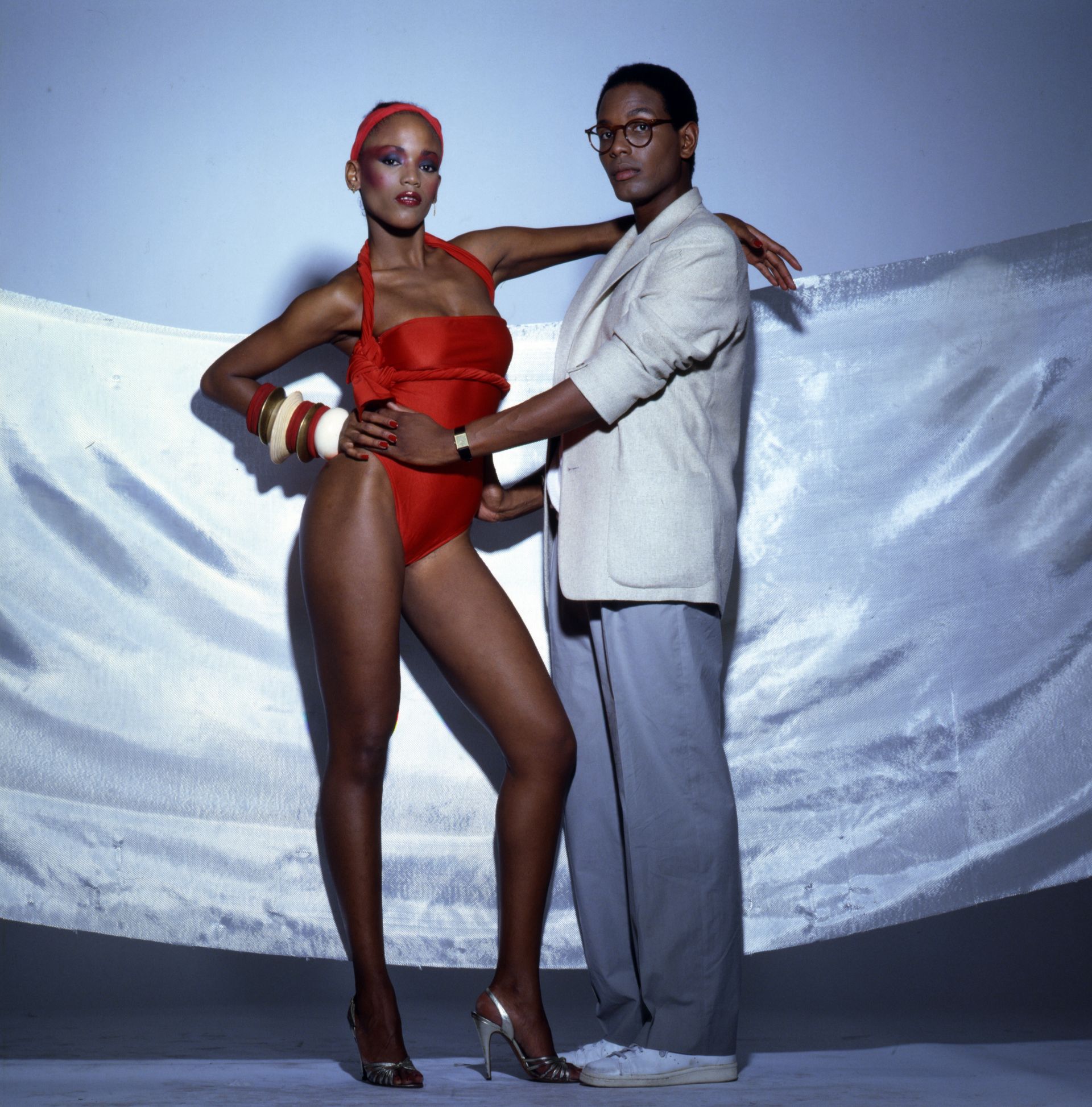
We just don't talk about Willi Smith enough. His label, WilliWear, was the first clothing company to create womenswear and menswear under the same label. As an openly gay designer, his ethos was that was clothing should be made accessible to all, and his clothing was worn by the wealthy and the working class. He also helped popularize streetwear at a time when it was not commonly seen as high fashion. He was known as one of the first American designers to make clothing inspired by what people actually wore in real life. His clothing was as much inspired by the streets as it was for the streets. Smith's clothing was also meant to feel as free as the wearer. His designs were often loose so that they could flow and move along with those wearing it. WilliWear was meant to be danced in.