Beauty After Transition: Queer Chronicles of Self-Reclamation and Survival
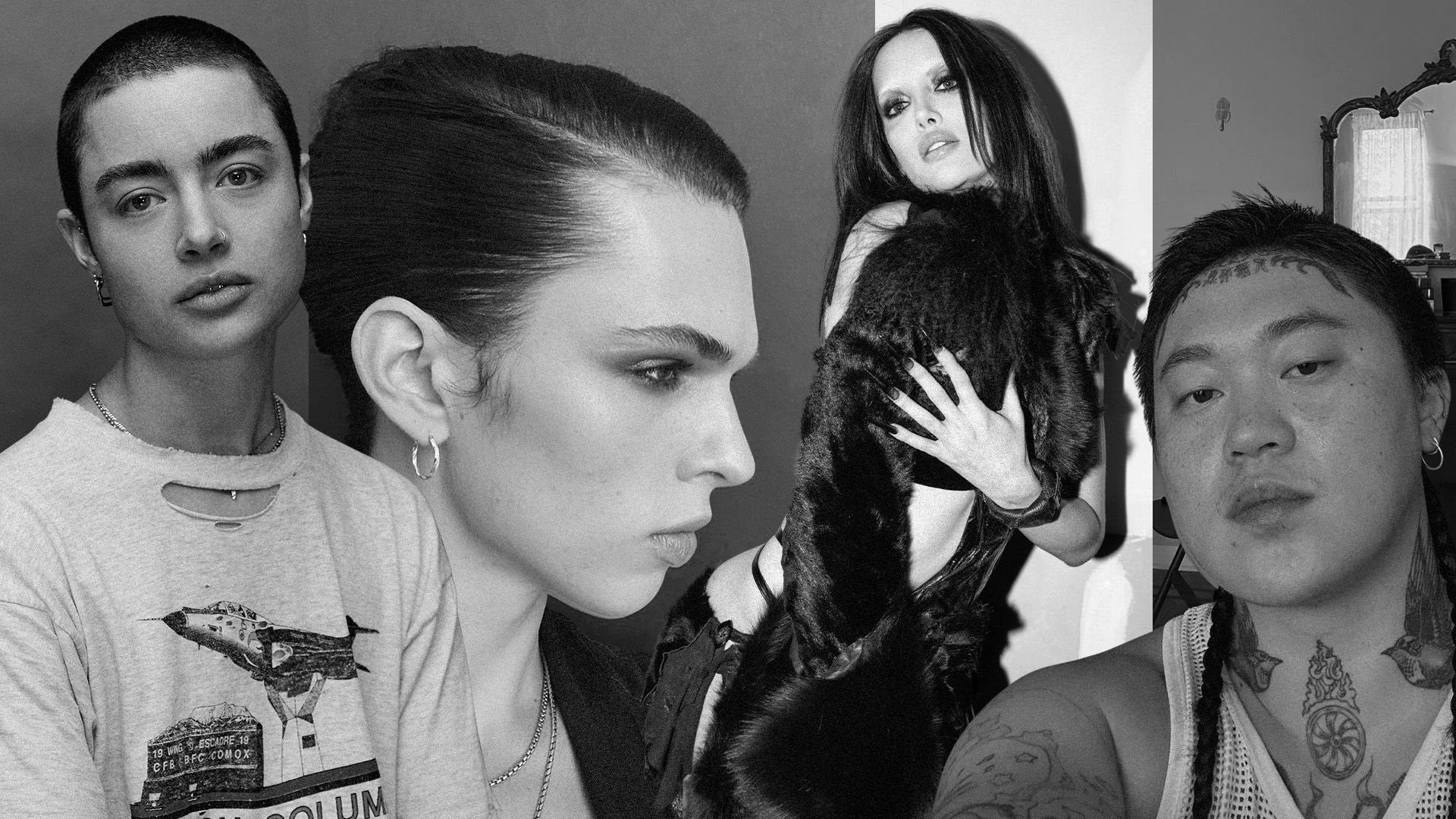
It is not an understatement to say that the modern beauty industry—the organic ideas born of it, the artistry within, and the web of humanity giving it a thrumming pulse—cannot stand without the transgender community. It’s not fabrication to say that brands have made millions from the endorsement and branding of trans creators, performers, models, and activists when a product or launch is involved. The inclusion of trans people in the beauty space is a necessary step for art, industry, and humanity—one that allows creatives, regardless of gender and entirely reliant on talent and vision, to leave their mark on the ecosystem that helped them self-actualize. Yet once the boardroom-pleasing profit reports are presented and the set lighting comes down, the trans community feels left out in the cold once again.
“The beauty industry is slightly ahead of the rest of the fashion industry when it comes to employing and supporting trans people, but that isn’t saying much,” says New York-based makeup artist Mical Klip. Following a tumultuous 2025, when access to basic needs like safe healthcare was swiftly and heavily restricted by the Trump Administration, the trans community has had to pull its weight more than ever to ask allies to #protectthedolls. Though beauty has long been a safe haven for said community, members are now asking more of it during this time of dire need.
The few trans creatives who achieve the dream of breaking into this industry (take Nykita Joy, for example—a content creator and makeup artist who boasts millions of social media followers) often feel overlooked by the space that once gave them direction amidst coming-of-age struggles in foreign bodies. “It was in the distance forced between me and beauty by the adults in my life that my love for beauty was born,” Joy recalls of her painful upbringing. “Then it was through the need for protection in a world that didn’t believe me worthy of said protection that honed my skills of this craft, using beauty as a tool for survival .” However, the resounding sentiment across the community today—though first sugared with appreciation for a morsel of representation—is that there is much more room for growth.
You may like
Beauty products and practices, from a gender-affirming fragrance to a new haircut, are some of the most transformative avenues for a trans person. The right acne treatment to battle hormonal flareups, hairstyling routine, or lipstick shade might offer that extra dose of confidence someone needs as they grow into themselves—at least, this is what we’ve found in speaking with these four trans people in New York City as they navigate their own deeply personal journeys. Beauty has been a saving grace in their lives, but the question is whether or not the industry is willing to return the favor.
Mical Klip
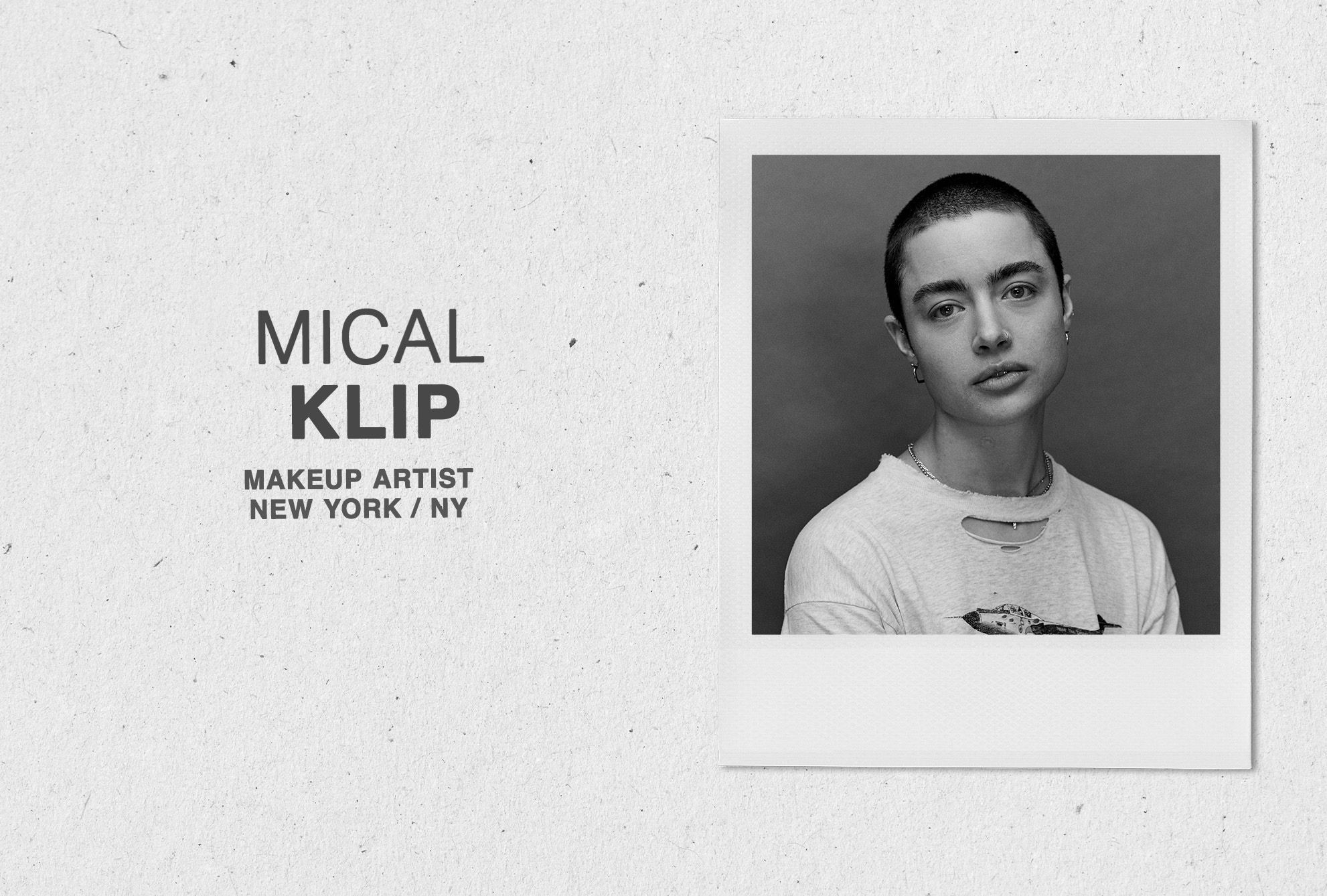
Klip wasn’t sure what they were looking for when they tried to imagine the type of person they wanted to become—that is, the gender they identified as, especially considering their career and the things they liked to do. Makeup and skincare were, and still are, major points of interest for the booked and busy makeup artist, whose work you can spot on Cole Escola, Iris Apatow, and everything from the Met Gala red carpet to digital Vogue features. You see, it was this dichotomy that made the artist hyper-aware of where they fit—or, perhaps didn’t—into societal gender norms.
“Like a lot of transmascs, there were aspects of femininity I loved and wanted to hold on to, but didn’t feel like they would be interpreted in the way I wanted,” Klip reminisces. Being someone who grew up loving makeup, aesthetics, and fashion—traditionally deemed “girly” things—and transitioned in their late twenties, it proved impossible to figure out the “kind of woman” they thought they wanted to become.
“It started to dawn on me as I cycled through different ways of presenting that there wasn’t going to be one that felt right, and that I had to look somewhere outside of woman-ness to feel like myself,” says Klip. Because beauty was already such an inherent part of the artist’s life—it paid the bills and served as a creative outlet—they needed to step away from the gendered looking glass they’d been conditioned to observe beauty through. “Ultimately, it was being around other trans people that allowed me to loosen my grip on a rigid idea of what being trans should look like.”