From Sweatpants to Office Sirens, What Does
I still remember the first thing I bought for my very first corporate job. Just days after turning 23 and graduating college, I moved to New York, wandered around SoHo, and bought what I considered the ultimate work bag—the epitome of style, elegance, and professional polish. It was the bag every sharp, sophisticated woman in the media world seemed to carry. Of course, I'm talking about the iconic Goyard tote, albeit the $40 Canal Street version. (No judgement, please. I was a girl without a paycheck!)
To me, it wasn't just a bag—it was a symbol. It was a subtle yet unmistakable message to my new colleagues that I was serious and capable and understood the unspoken language of corporate chic. On my first day in the office, I confidently plopped it down on the desk—never mind the fact that I had picked it up the day before on Canal Street. If anyone noticed, they didn't say a word, or they were too nice to point out the obvious, unmistakable flaws.
I outgrew the bag—and the job—quickly. Still, the memory of that flimsy and obviously fake plastic-coated tote clings to me in every corporate environment I've acclimated to. Back then, I didn't understand the nuanced rules of corporate culture when I entered, like the fact that heels weren't a requirement or that wearing a watch more expensive than your supervisor’s might come off as tone-deaf.
Now, Gen Z gets flack for a different kind of fashion faux pas. We're the punch line in countless viral videos where elder millennials poke fun at our "What I'd wear as a " outfits that are usually a mix of sheer fabrics, corset tops, and sexy office siren silhouettes that are better suited for happy hour than a 9-to-5. Maybe they have a point. According to Fast Company, Gen Z is in the middle of a wardrobe identity crisis. Business casual has been replaced by the comfortable chaos of hybrid workwear (sweatpants, anyone?), and we're still figuring out what office attire looks like in a post-pandemic world.
As The New York Times points out, Gen Z is also the age group now working in person the most. These facts make the question of what we wear to work more relevant than ever—not just as a fashion statement but also as a reflection of how the youngest members of the workforce are navigating professionalism, identity, and authenticity at the same time.
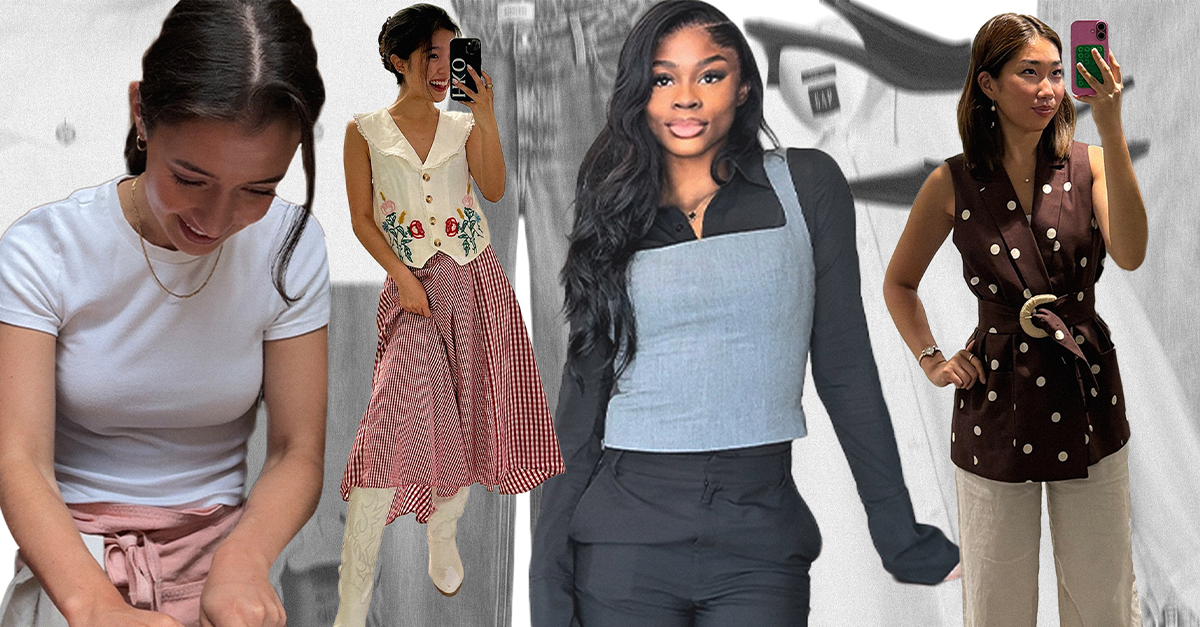
Below, four Gen Z workers in radically different industries, from private chefs to fashion editors to big law associates, are showing what they actually wear to work. Here's what the next generation is really wearing to the office.
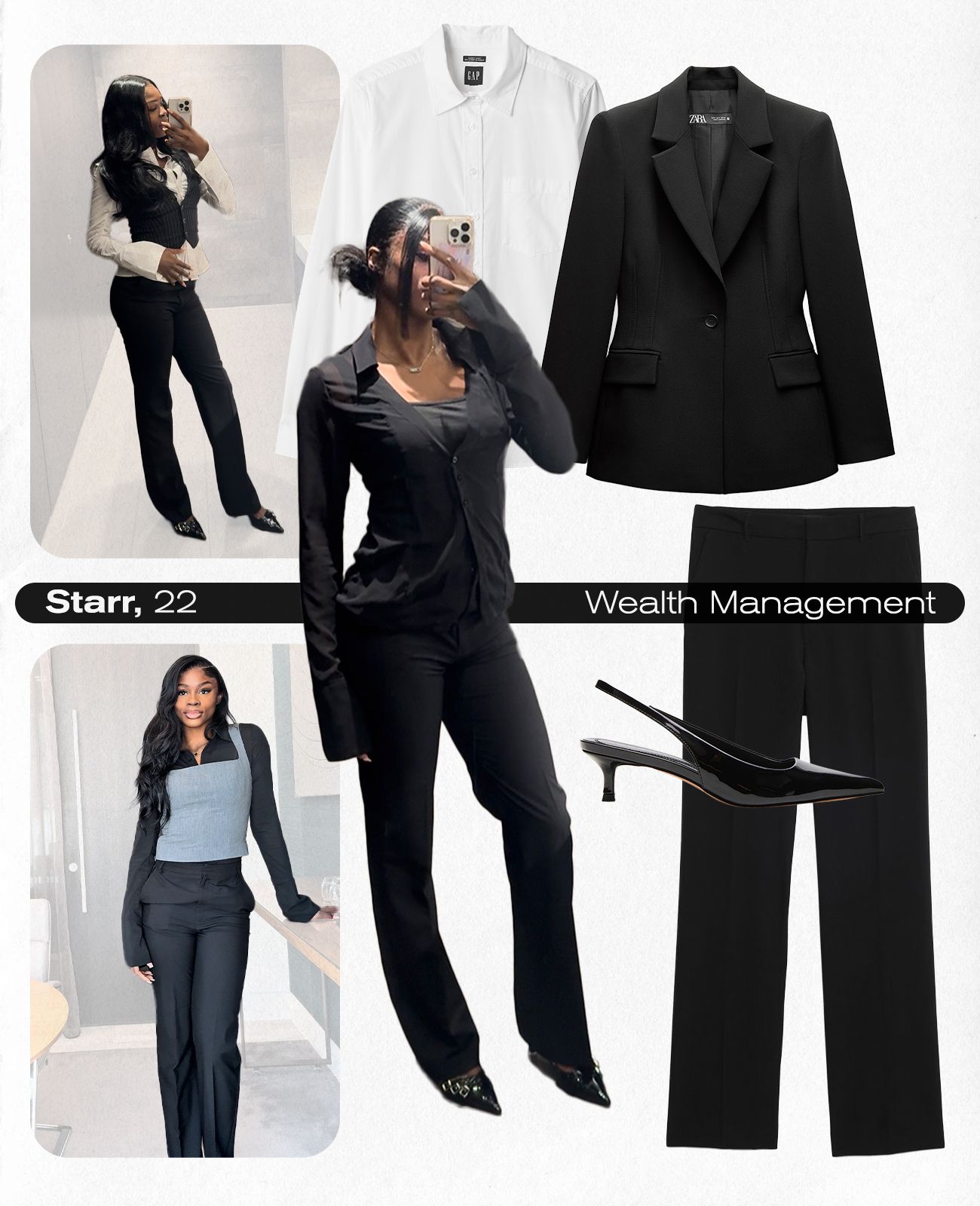
Starr, 22, Professional in Wealth Management and Equity Research