From Swim Shoes to Polly Pocket Dresses: Loewe Fall 2026 Embraces Childhood Whimsy
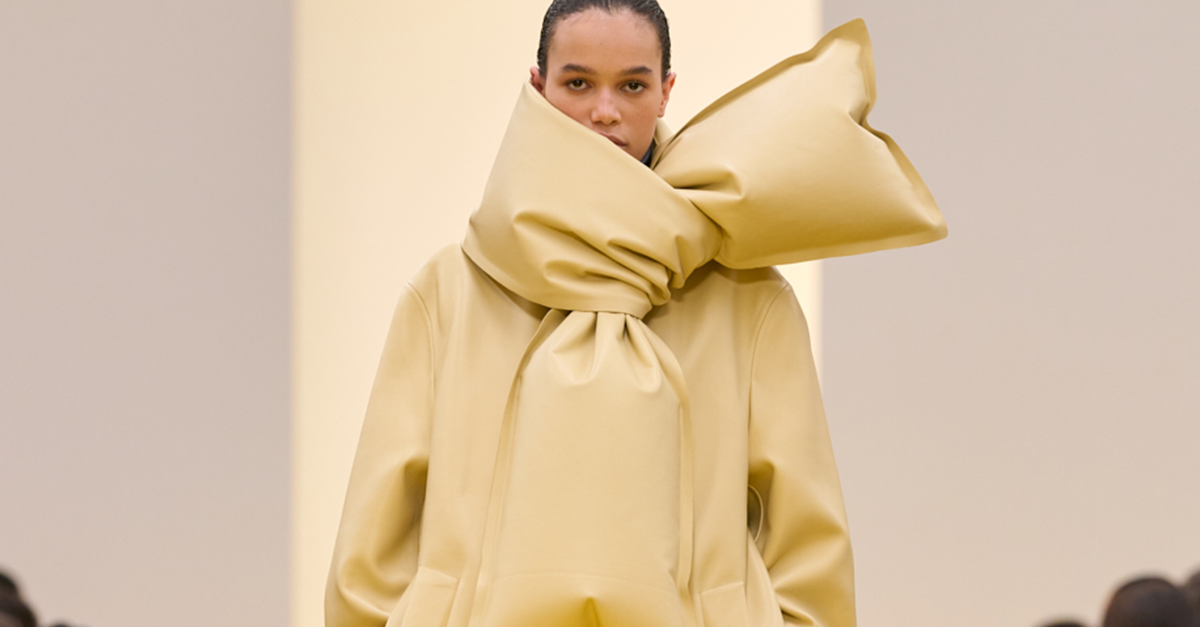
The establishment is not feeling whismy anymore—or at least that’s the prevailing mood on the runways lately, where a certain brand of serious, hyper-polished minimalist crafted brands have dominated our social media feeds. But childhood knows something the fashion cycle tends to forget: the most interesting worlds are the ones built out of imagination, a bit of chaos, and a willingness to play. The best clothes, in this editor's opinion, toe the line between meticulously crafted and delightfully absurd.
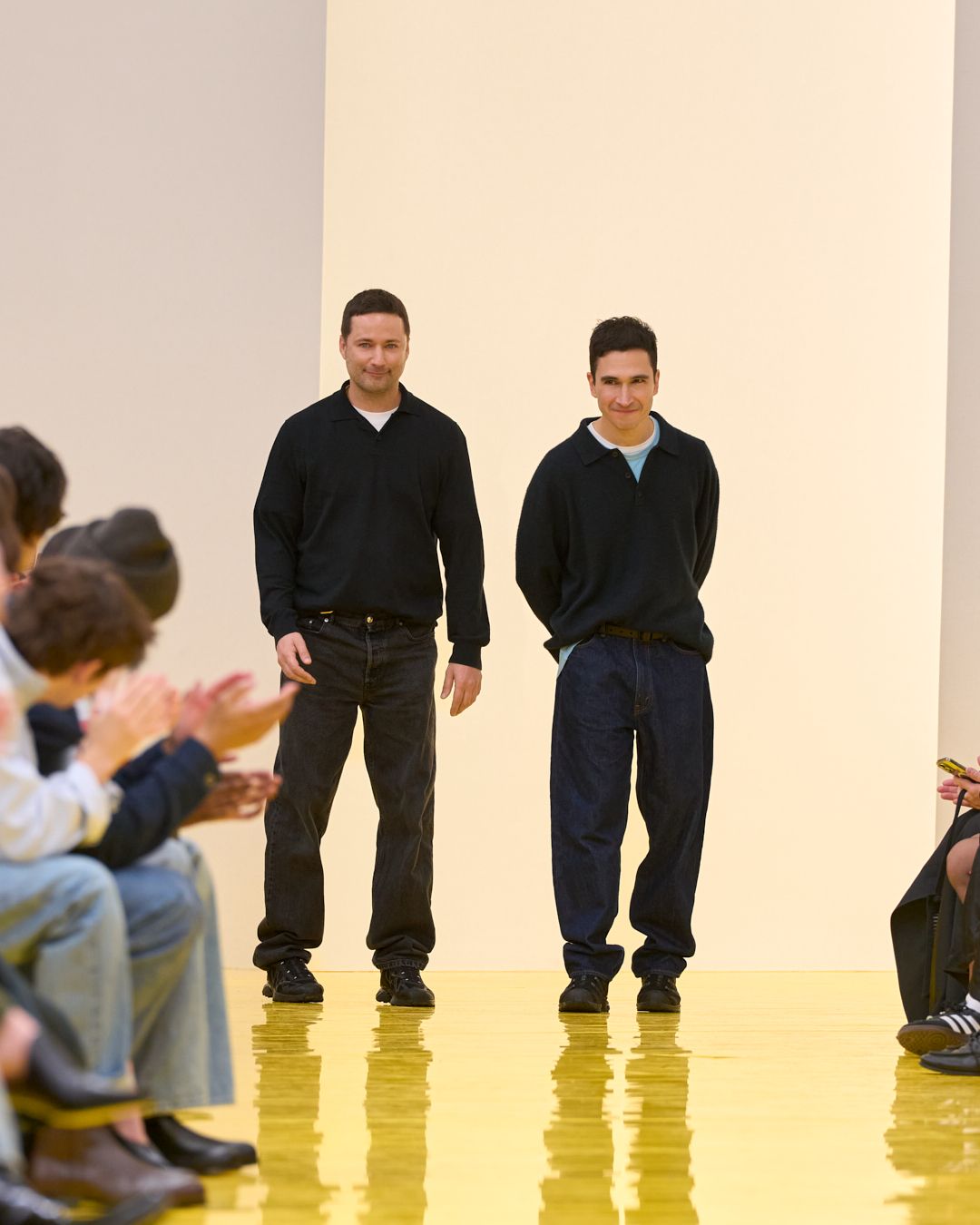
For their second season at Spanish fashion house Loewe, creative directors Jack McCollough and Lazaro Hernandez seemed determined to remember exactly that. A sophomore outing is always a telling moment in a designer’s tenure—the point where the polite introductions are over and a clearer personality begins to emerge. If their debut established the parameters of a new Loewe, the Fall Winter 2026 season suggested the pair are far less interested in solemn heritage than in what happens when craft gets a little mischievous. Think meticulous technique, yes—but also the slightly unhinged joy of dressing like you’ve just raided a particularly deranged toy chest.
The result was a collection that felt less like a solemn continuation of Loewe’s legacy and more like the beginning of a new chapter—one where technical brilliance and childhood imagination coexist happily.
Below, read our full recap of the Loewe Fall Winter 2026 collection during Paris Fashion Week.
Cool Kids Craft Club
For their sophomore outing at Loewe, creative directors Jack McCollough and Lazaro Hernandez leaned fully into the house’s long-standing dialogue with craft—only this time, with a distinctly zesty twist.
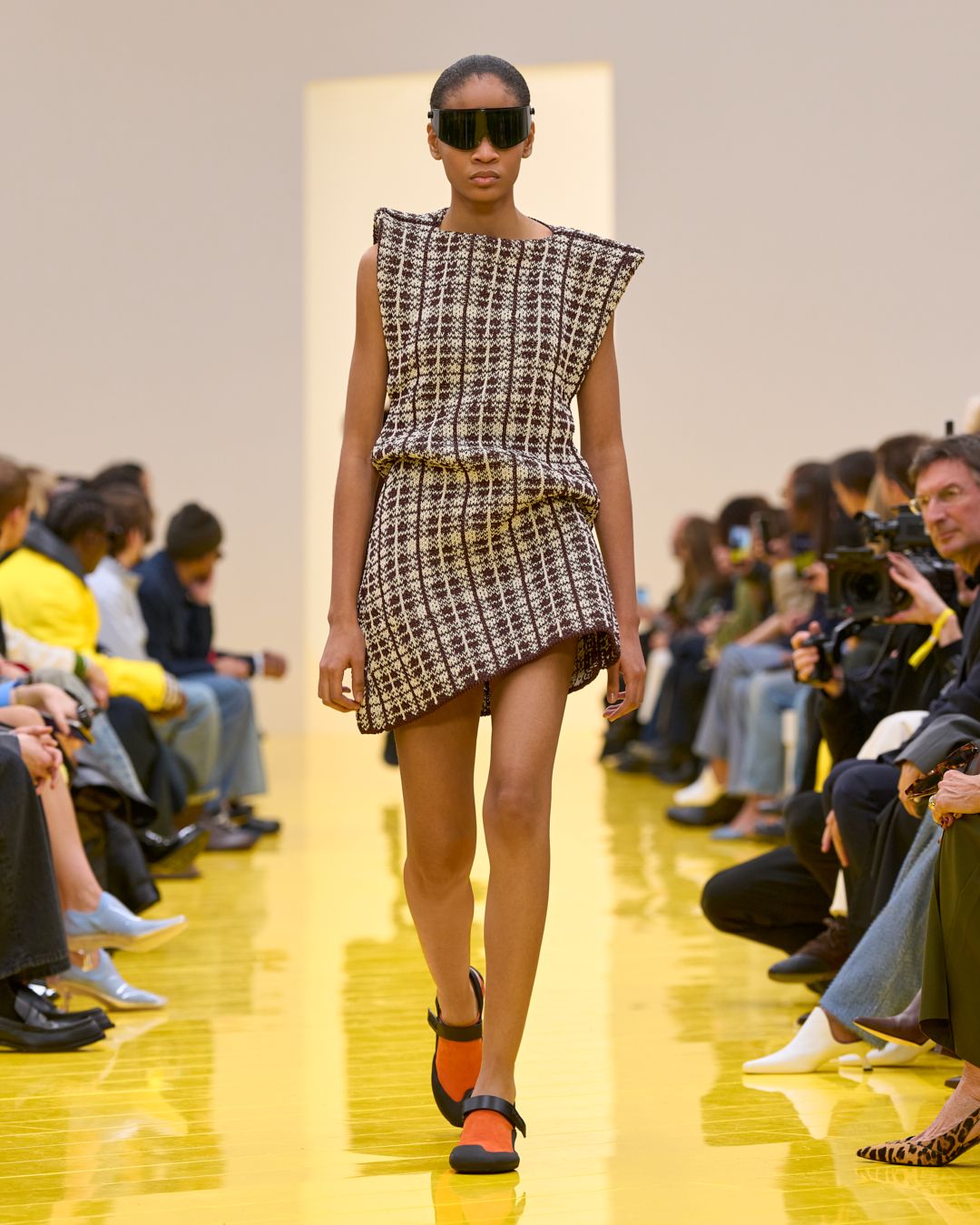
The designers, who will serve as jurors for the Loewe Craft Prize for the first time this year, seemed keen to position craftsmanship not as reverent tradition but as a playground. Much of the collection was inspired by artist Cosima von Bonin, whose work merges meticulous technique with a sly sense of humor. That spirit came through in garments that felt both handmade and mischievous: sculptural knitwear, tactile embellishments, and pieces that revealed their construction almost proudly. It was craft as character rather than decoration
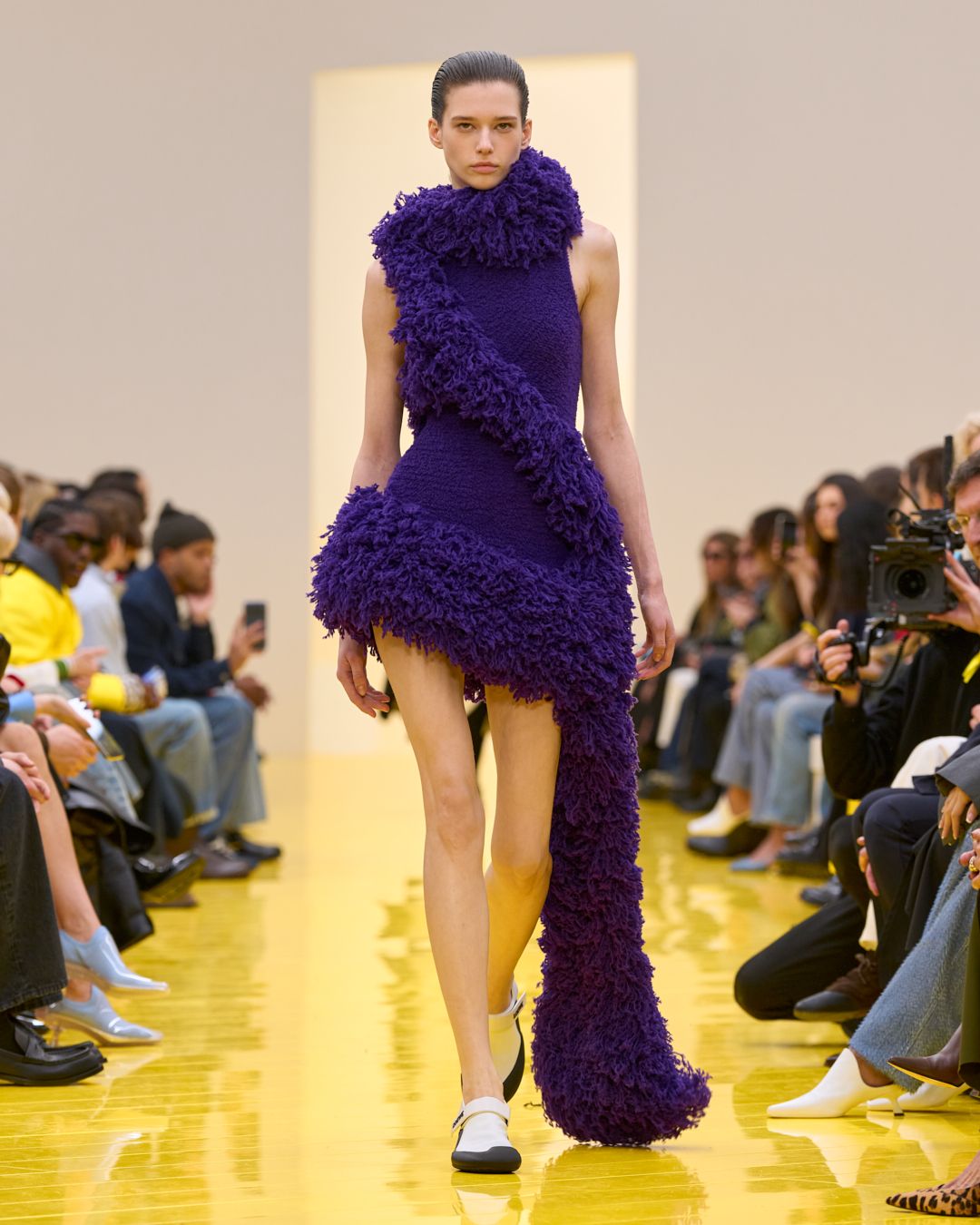
Polly Pocket Madness
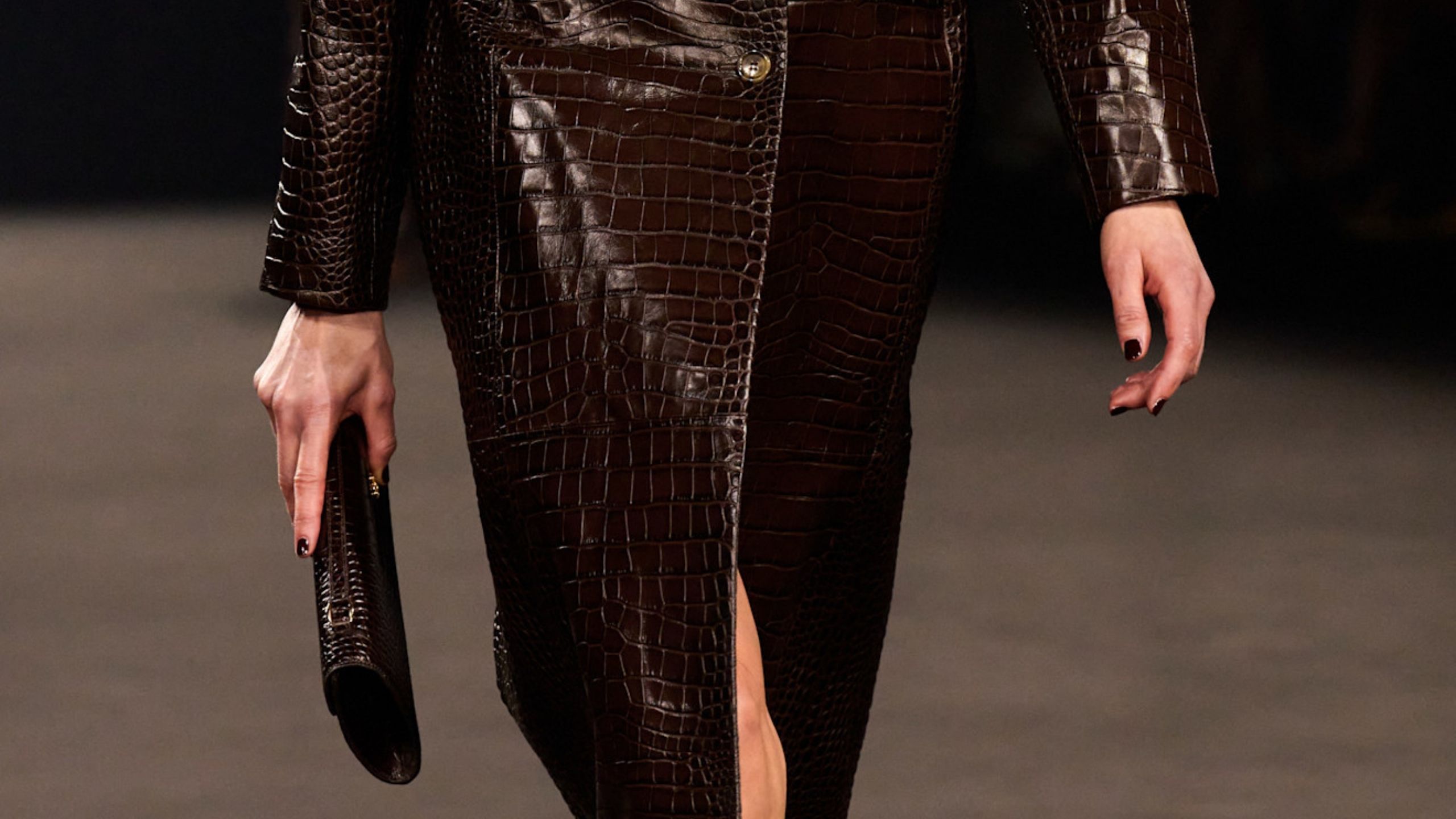
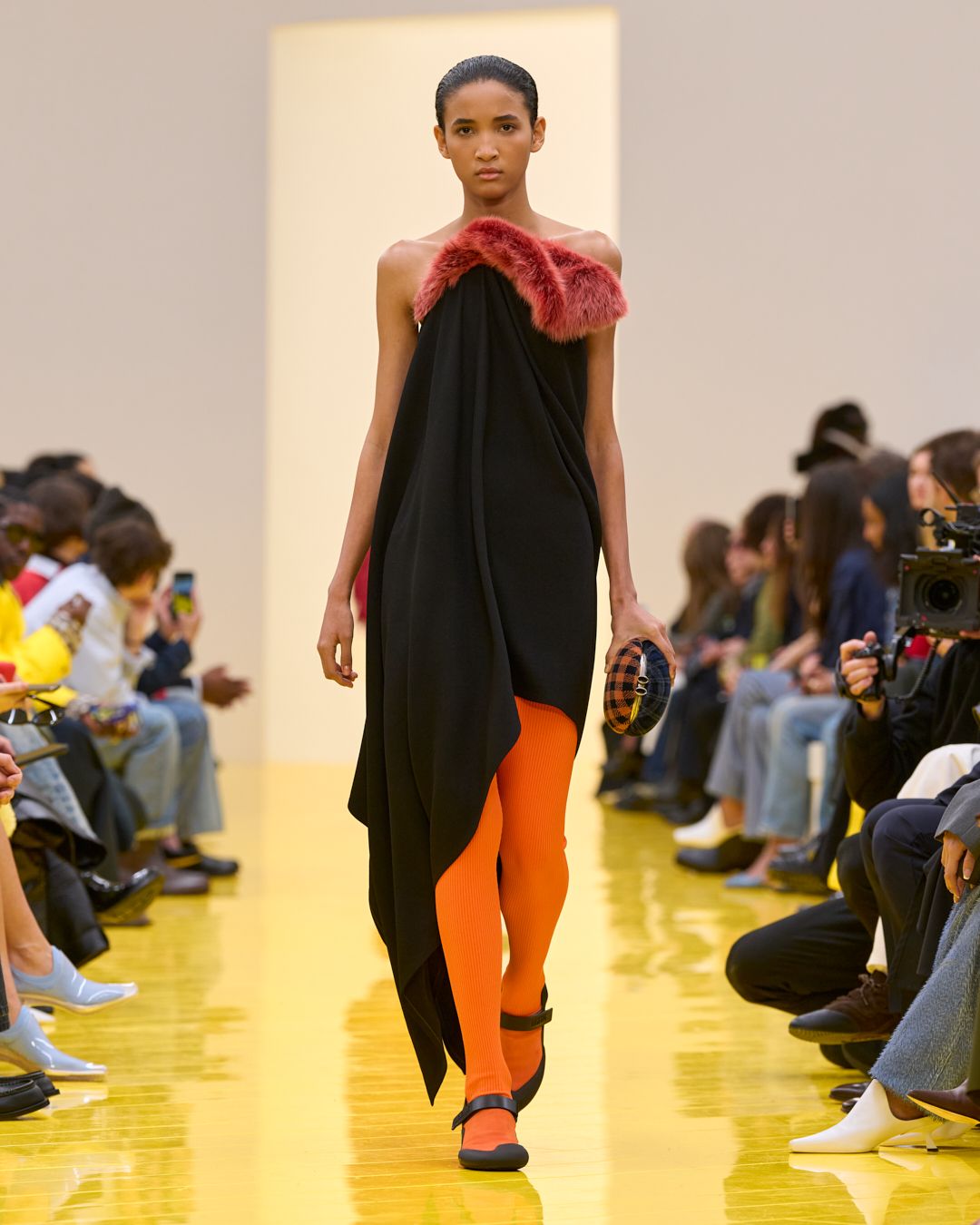
If there was one moment that captured the gleeful weirdness of the collection, it was the latex. Dresses molded close to the body arrived stamped with intricate patterns, while rubber scarf details twisted around necklines and shoulders like surreal accessories plucked from a toy box. The effect felt almost Polly Pocket–like in spirit: miniature-world whimsy blown up to runway scale. Honestly, the clothes looked good enough to chew on.