I Test-Drove the Iconic Birkin Bag—Here's Everything I Loved (and Learned) About the Iconic Style
What makes Hermès's Birkin bag truly iconic to me isn’t just its exquisite design—it’s the fascinating, often overlooked story behind it. The bag was born out of chance in 1984, when actress Jane Birkin found herself seated next to Hermès executive Jean-Louis Dumas on a flight. After her belongings spilled out of the straw bag she was famous for wearing midair, she confessed that she could never find a handbag that was both practical and chic. Dumas sketched the beginnings of what would become the Birkin right then and there. What started as an offhand conversation turned into the most legendary handbag design of all time—a piece that, decades later, continues to be regarded as the ultimate status symbol.
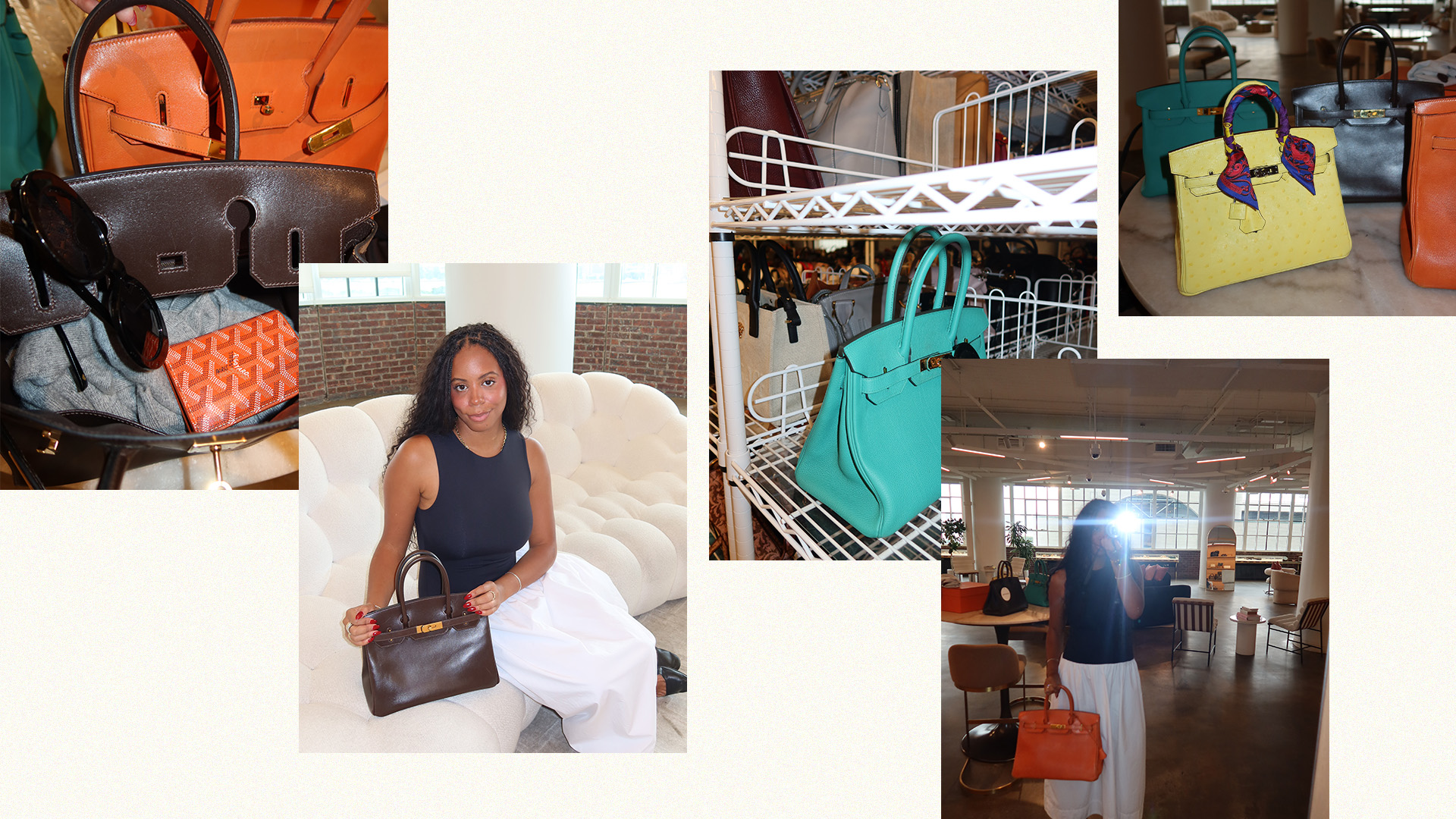
So when I had the opportunity to finally test drive a Birkin, I knew I had to say yes. One morning, I headed over to Fashionphile’s headquarters, home to one of the most incredible collections of Birkins you’ll find outside of an Hermès boutique. I tried on different sizes, experimented with what fit inside, and got a feel for what makes each version special. For a few hours, I carried it, snapped photos, and even pretended it was mine. What I discovered—and what I loved—completely reshaped my understanding of why this bag has endured for so long.
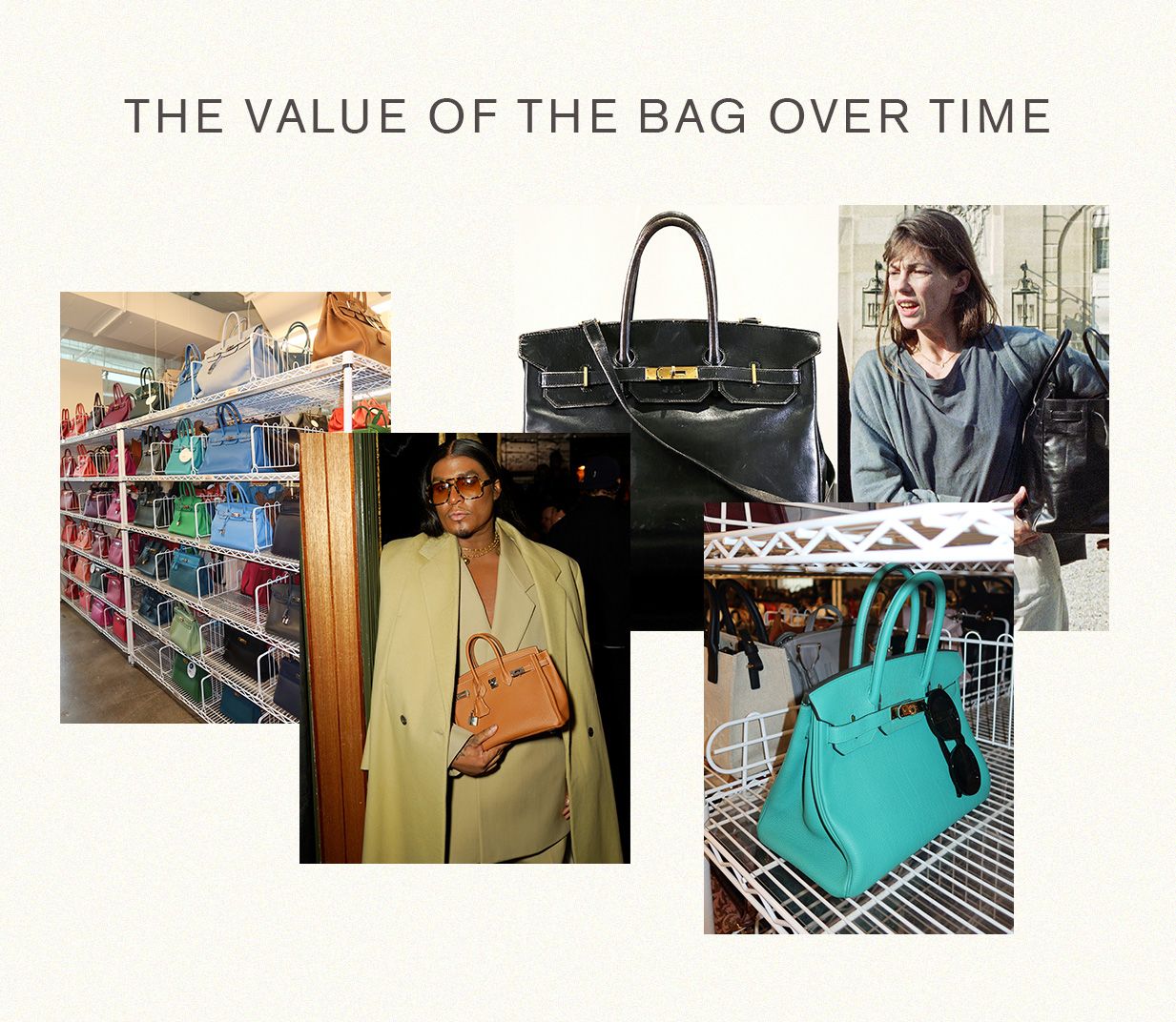
When I headed out to spend my morning surrounded by Birkins, I had one question at the top of my mind: Is it really worth the investment? The Birkin isn’t just a bag—it’s an entire market of its own, and for years, it’s been framed as a “better than the stock market” purchase, but is that really true? To get some perspective, I spoke with Lara Osborn, SVP of Merchandising and Fulfillment at Fashionphile, who’s seen firsthand how these bags move through the resale world lightning fast.
According to Osborn, “In a real-life scenario, a Fashionphile seller who paid $9850 for her Birkin in 2020 sold it to Fashionphile in 2025 for just over $21,000—that’s a 115% ROI. A quick internet search shows that $9,850 invested in the S&P 500 at the beginning of 2020 would result in a 109% ROI." In other words, not only is the Birkin holding its own—it’s outperforming Wall Street in some cases.
So what makes the bag so resilient in value? Osborn explains that its “everlasting style and craftsmanship are largely what have kept the Birkin atop the list of most iconic and intrinsically valuable handbags. For over 26 years, Fashionphile has evaluated and authenticated tens of thousands of Birkins, and one thing can be said with certainty: These bags are built like a brickhouse.” Scarcity also plays a role, but the sheer variety of options—from leathers to hardware to colorways—means there’s always another piece to covet. “At Fashionphile, we have documented over 5000 different variations of Hermès Birkins,” she adds.
When it comes to specifics, some versions are clear frontrunners. “The 25 Birkin in Togo leather has solidly retained its rank in popularity over the years,” Osborn notes. “A decade ago, a ‘store fresh’ black Togo leather 25 Birkin in new condition would rarely sell for $20,000 on the secondary market, but in today’s resale environment, it routinely sells for $32,000 or more.” Meanwhile, timeless neutrals like black, Craie (a chalky white), and Chai continue to reign supreme, even as seasonal shades rise and fall in popularity.
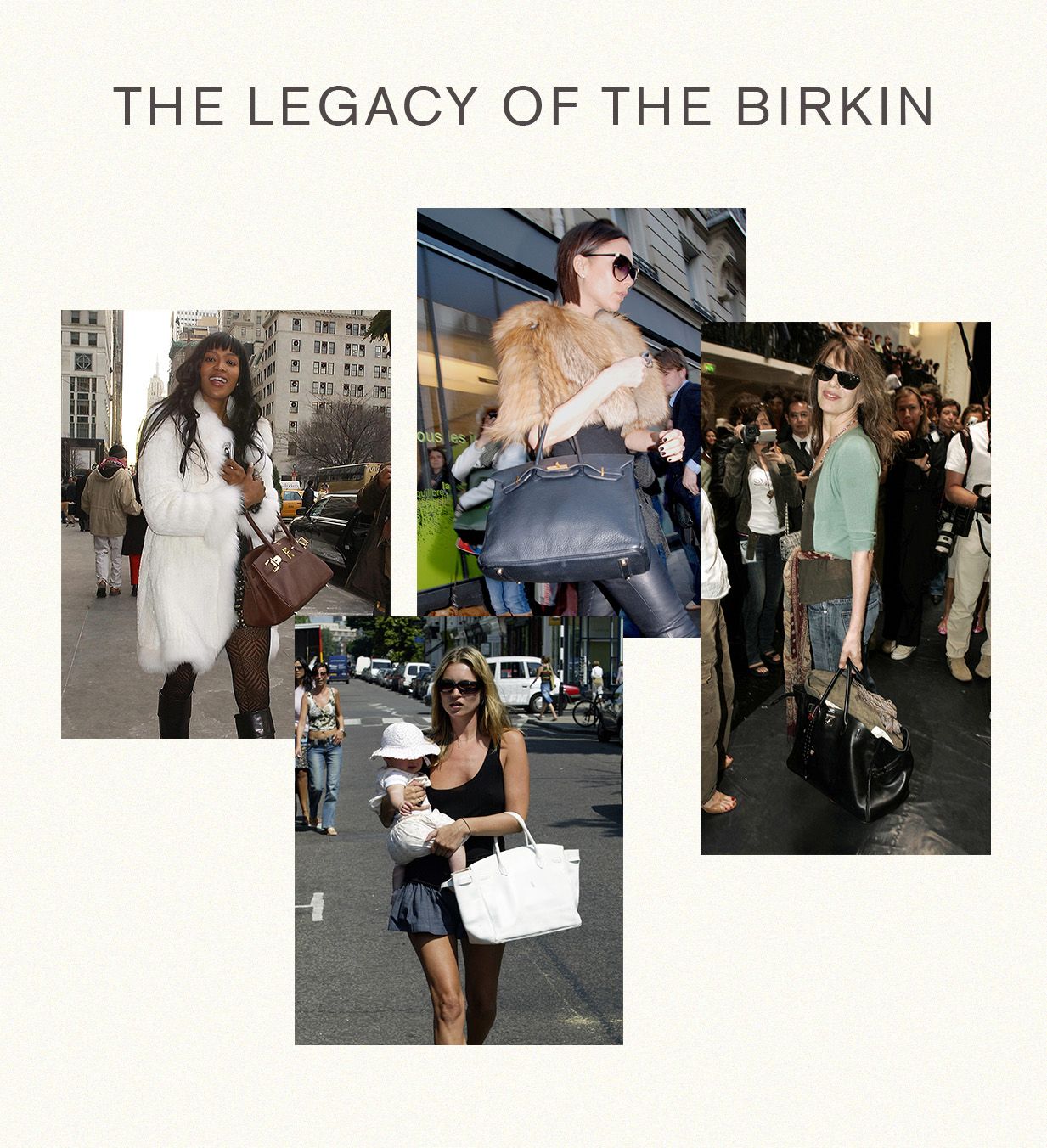
Numbers aside, what excites me most about this bag simply has to be the cultural impact the bag has had since the very beginning. eBay's resident celebrity stylist Brie Welch put it best: “The Birkin is not just a bag, but a cultural artifact with an origin tale rooted in French icon Jane Birkin’s need for a carryall to fit all her things. Baby bottles et al. The association with Jane, along with Hermès’ storied craftsmanship and durability, cemented it as a timeless design that encompasses luxury and status.” In other words, it has become shorthand for aspiration itself—an accessory that signals taste, wealth, and an understanding of fashion history all at once.