The Jewel-Tone Revolution: Why Fashion's Finest Are Turning to Color
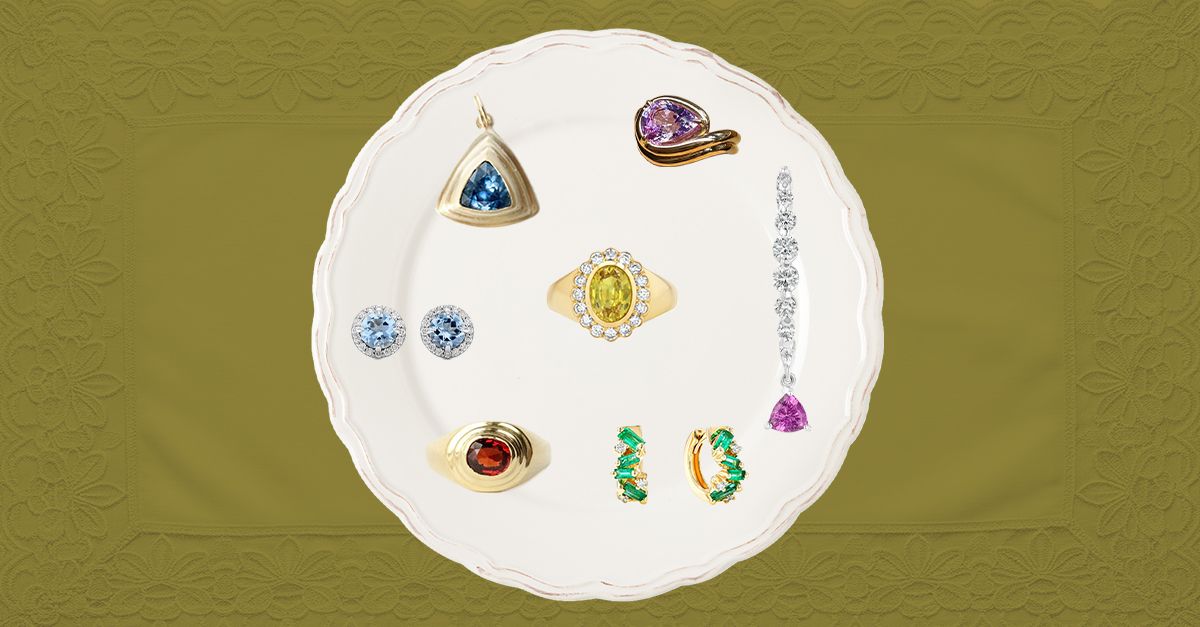
Across runways, red carpets, and private showrooms, a new chromatic infatuation is taking hold: vivid, unapologetic color. In 2026, luxury jewelers and customers alike will experience a seismic shift as designers, collectors, and celebrities move beyond traditional white diamonds and embrace the lively world of colored precious gemstones. Sapphires in electric cornflower blue, vivid pigeon-blood rubies, lagoon-green tourmalines, neon Paraíba stones, and sunset-hued padparadscha sapphires are becoming the new crown jewels of modern high fashion. The result? A jewel-tone revolution that's redefining a multibillion-dollar industry.
For hundreds of years, colorless diamonds reigned supreme as the universal symbol of elegance and wealth, but as tastes evolve and consumers seek pieces that express individuality, emotion, and story, color has taken center stage. What was once considered niche or avant-garde is now the benchmark for contemporary sophistication. "So much of the enthusiasm started with the artists and jewelers themselves. A lot of the most high-profile and popular designers right now are intrinsically attracted to color, so they're doing amazing things with these gems," explains Xarissa, the fine jewelry enthusiast behind the viral @jewel_boxing account. "You just have so many more options in creating a design when the whole rainbow is available to you."
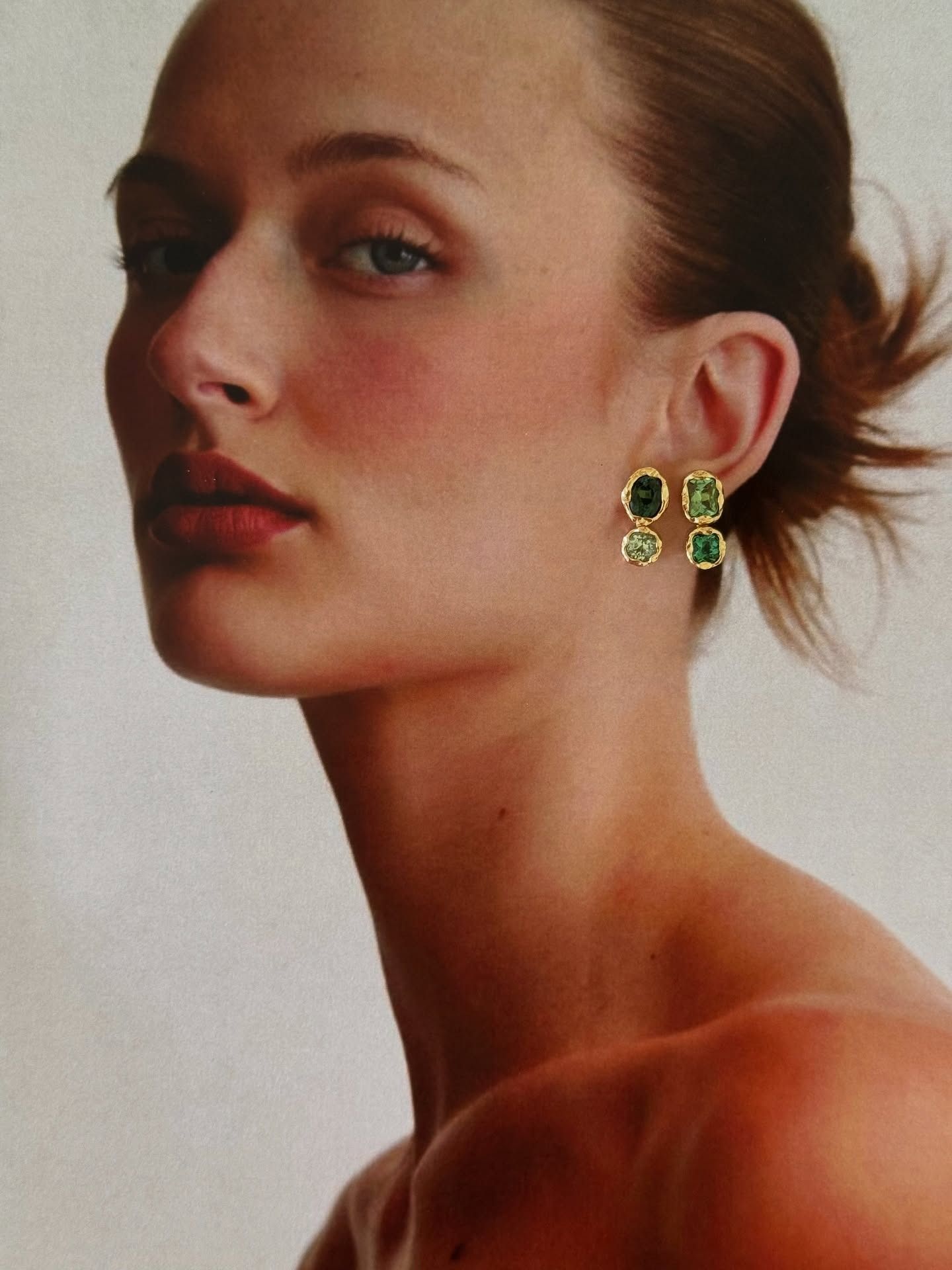
The rise of perfect, colorless lab diamonds, Xarissa explains, might also be a big reason for the shift toward personality-driven, colorful pieces. "They're almost always very bright, very white, and very big," she explains. "There's nothing wrong with that, but at a certain point, your eye stops seeing them, and it takes something new, like colored gemstones or fancy color diamonds, to catch someone's attention."
This shift is deeply tied to cultural appetite. After several years marked by global uncertainty, buyers are leaning toward joy-infused luxury—objects that feel optimistic and alive. Jewel tones bring that in abundance. Wearing a vivid gemstone has become a kind of symbolic rebellion and a way to embrace brightness and pleasure in a world that has often felt muted. It's prompted generational shifts, too, explains Eliza O'Connor, founder and designer of Real Fine Studio. "Traditional gemstones like sapphires and rubies were the pieces my grandmother's generation gravitated toward, and they are having a real revival. Younger clients are drawn to them again, but for different reasons," she explains, noting the return of nostalgia. There's something quite special about digging through estate-sale pieces or your grandmother's jewelry box. Each new gemstone piece, seeped in history, elicits a sentimental reaction.
" love the heritage and history of these stones, but they want them styled in a more modern, effortless way, which is why our Heirloom Signet has become so popular," O'Connor notes. "It is a modern take on a vintage-feeling piece that becomes so personal through colored gemstones."
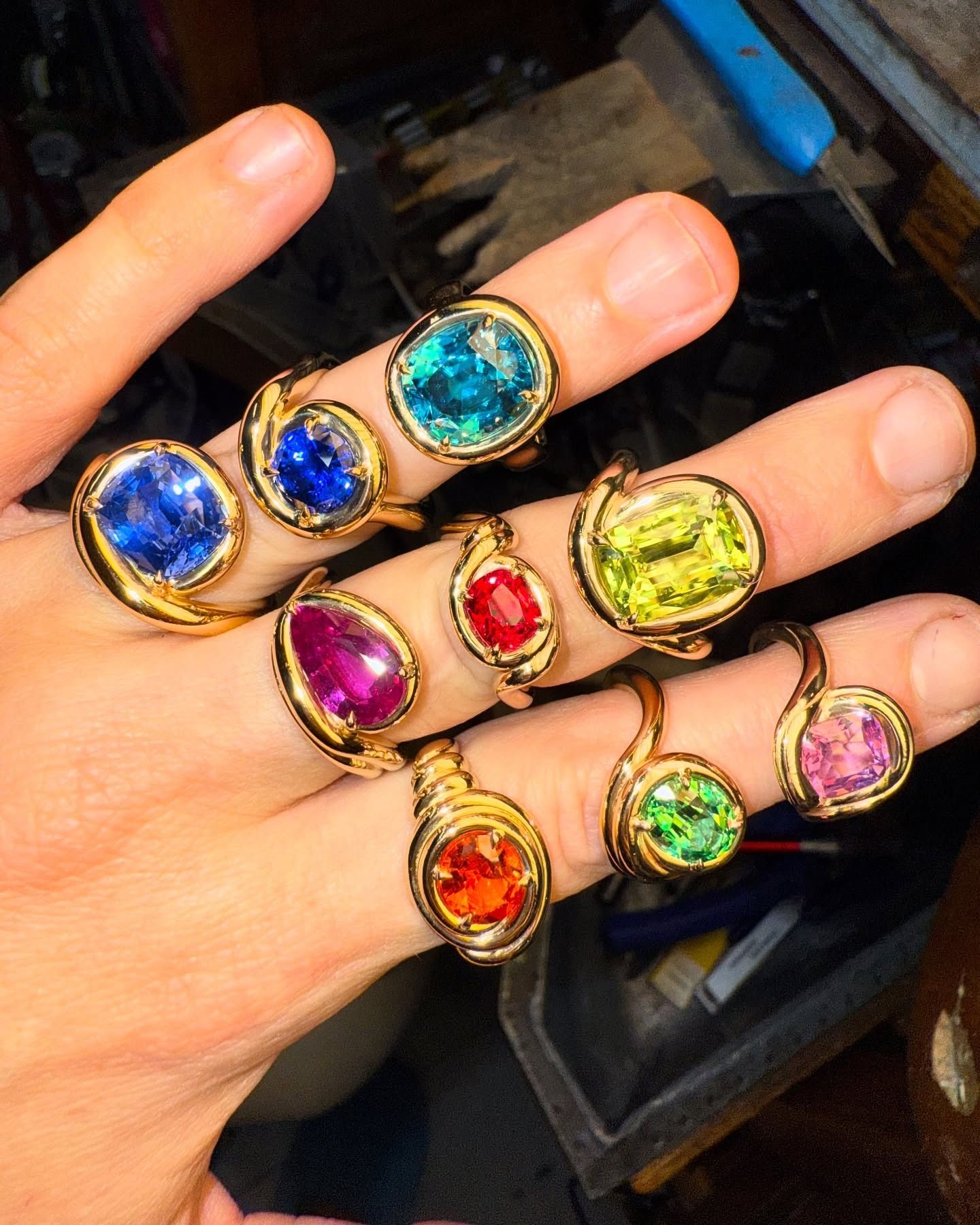
Designers are responding accordingly, introducing high-voltage palettes that celebrate vibrancy over restraint. Where collections once prioritized icy symmetry and precision, today's pieces are bold, warm, and full of character. Shermineh Ghane, designer behind Talāyee, is known for her chunky, almost art-deco silhouettes, and customers are taking notice. "I'm seeing a lot of my higher-spend clients asking for emerald, sapphire, and ruby combinations set in heavy gold-bezel frames," she notes. "They also see it as a way to stand out as lab-grown jewelry continues to popularize."
This movement isn't only aesthetic. It's also technical and historical. Many of the most sought-after colored gemstones are rare, finite, and deeply tied to the earth's geological story. A Burmese ruby of exceptional saturation or a Kashmir sapphire with velvety depth is a beautiful masterpiece created over millions of years. Collectors value this scarcity, and auction houses have seen surges in record-breaking sales of colored stones. "Over the last year, the shift I've noticed is my clients are more well-versed with colored-gemstone knowledge," Ghane adds. "They are curious about color and origin. They want to be part of the process of picking out their gemstone so that their jewelry is completely unique to them, and they get excited by the array of choices that are available to them based on their preferences."