This Ingredient Can Take 5 Years Off Your Skin—It Can Also Thicken Fine Hair

I’ve always had fine hair. Over the years, I’ve fluctuated between despising it and accepting it, but it wasn’t until my mid-20s that I sought to do something about it. Back then, I was experiencing some newfound health challenges—things like crashing energy levels, weight gain, and abnormal hair thinning. After consulting my doctor, I was diagnosed with a hormonal condition called polycystic ovarian syndrome (PCOS). Unbeknownst to me, I was dealing with PCOS symptoms for years, and my noticeable hair thinning was just one of them.
I immediately began investing in scalp and haircare products to A) nurture the hair I had and B) encourage new growth. To this day, I use hair masks at least once a week. I test growth-boosting scalp serums. (So far, this one is my favorite.) I even use tools such as a scalp massager to boost circulation while I shampoo.
Recently, though, an entirely unexplored category of scalp and hair serums hit my radar, and I had to wonder: Was I missing out on a potential solution to my thin-hair struggle this entire time? I’m talking about exosome serums. I was already familiar with exosomes in relation to skincare, as they’re used in facial serums, creams, and treatments to provide anti-aging, anti-inflammatory, and wound-healing benefits. Touted by the internet (and experts!) as an effective skincare ingredient, exosomes are, apparently, just as effective when it comes to the scalp and hair. Since I’m obsessed with my scalp and hair, I knew I needed to learn more, so I reached out to a leading expert. Ahead, learn everything I discovered about exosomes and how they can thicken fine hair.
What Are Exosomes?
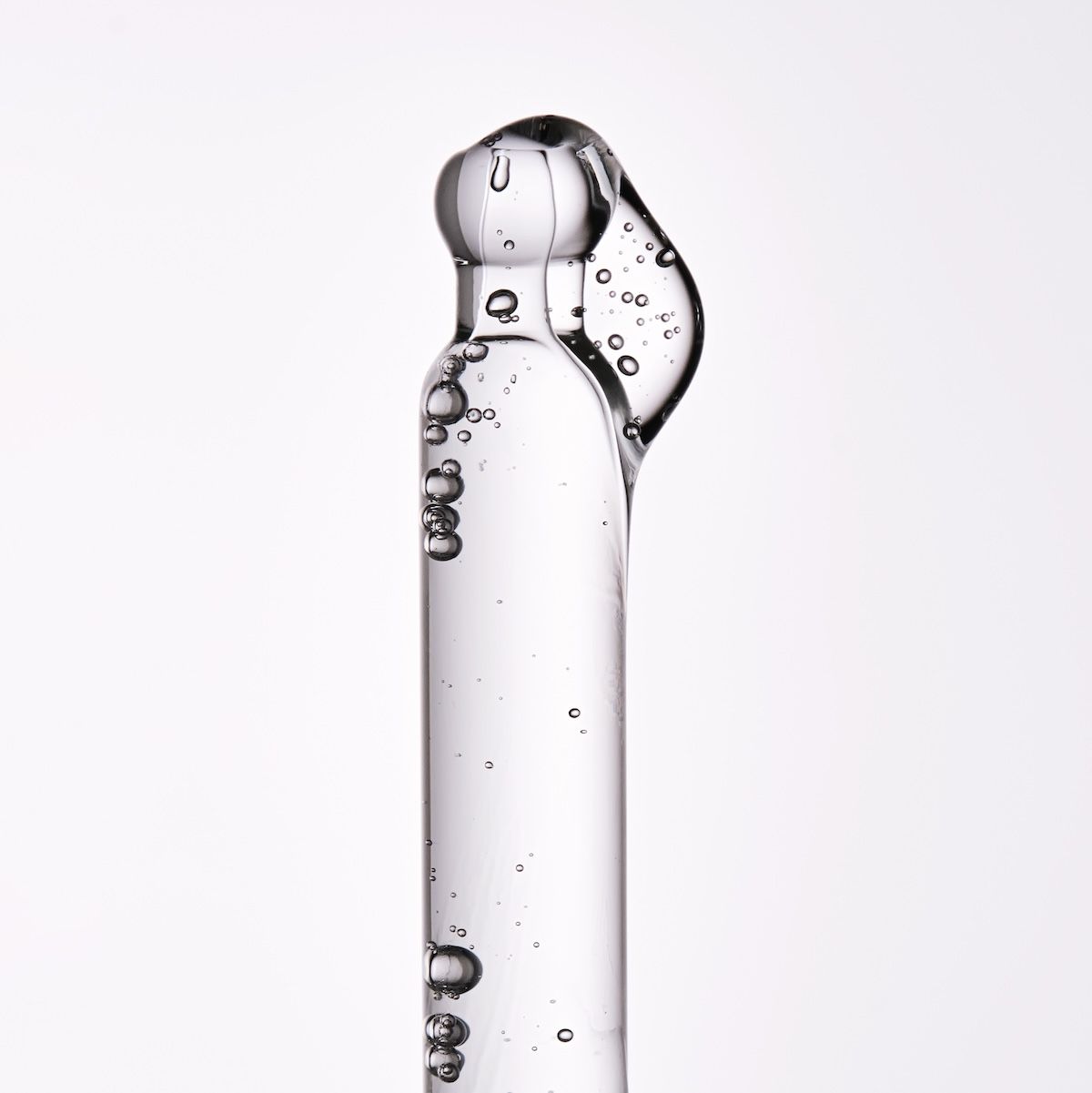
"Exosomes are vesicles secreted by cells that contain growth factors, RNA, mRNA, and other goodies," Geeta Yadav, MD, board-certified dermatologist of Facet Dermatology, previously told Who What Wear. "You can think of them almost like email—when cells 'send' exosomes, the material inside the exosomes delivers important messages to cells throughout the body, giving them information and telling them to do things."
The thing that they would theoretically be telling the scalp to do is activate and proliferate hair follicles, but is that an accurate representation of how they work? And if so, how effective are they? To answer these questions, I spoke to a leading authority: Rafael Gonzalez, PhD, JuveXO’s chief science and development officer and an expert in cell biology, health, and regenerative medicine.
“The cell is the most important and fundamental aspect of life,” he says. “Every single cell in your body communicates with its neighbors.” While some communication is direct, meaning cell-to-cell communication, there’s also a need for “long-distance” communication, and that’s where exosomes come in. “The term ‘exo’ means outside, and then a ‘some’ is a body,” he says. Thanks to a protective bilayer, these vesicles travel to deliver their bioactive “messages” or “signals” to other areas of the body, initiating critical processes. While they can deliver messages that benefit the health and appearance of the skin and hair, the potential uses of exosomes go far beyond aesthetics. In fact, scientists are researching the implications of using exosomes in medical treatments.
How Can Exosomes Benefit the Scalp and Hair?
Exosomes, while new to me, aren’t new to the aesthetic industry. They’ve been used in professional clinics and as part of in-office treatments for some time. “They're especially beneficial for use post-procedure to help expedite and improve skin recovery,” Yadav told Who What Wear. “Because they are not cells but material from cells, they're compatible with all individuals skin types."